Learn · 7 min read · Updated 1 Oct 2026
North Korea's prison camps
North Korea runs political prison camps called kwanliso. The UN Commission of Inquiry estimated in 2014 that 80,000 to 120,000 people were held in them, and concluded that what happens there amounts to crimes against humanity: extermination, murder, enslavement, torture, rape and forced abortion. North Korea denies the camps exist. Satellite images show them clearly.
Two kinds of camp
Kwanliso: political prison camps
For people the state calls enemies, and often their families. Many are "total control zones" where prisoners are never released. Prisoners mine coal, log, farm and work in factories on starvation rations.
Kyohwaso: "re-education" prisons
For people convicted of crimes, including watching South Korean TV, trading without permission or trying to leave the country. Sentences have an end date, but survivors describe forced labor and death rates that look a lot like the political camps.
On top of that, there are short-term detention and interrogation centers, which is where people forcibly sent back from China usually go first.
How people end up there
Insulting the leader, practising religion, contact with South Koreans, or being related to someone who did any of that. Under the principle of guilt by association (yeonjwaje), the regime has sent the parents, children and siblings of an "offender" to the camps too. Shin Dong-hyuk, the subject of Escape from Camp 14, says he was born inside a camp.
The known camps
All of these are on the intel map with their approximate locations. Status is based on satellite imagery analysis and escapee testimony, so it lags reality by months or years.
© Esri, MaxarCamp 14, Kaechon14호 개천 관리소 · South Pyongan Province
Total control zone where prisoners are never released. Shin Dong-hyuk (Escape from Camp 14) says he was born here.
© Esri, MaxarCamp 15, Yodok15호 요덕 관리소 · South Hamgyong Province
Had a "revolutionizing zone" from which some prisoners were released, which is why most early camp testimony comes from here. Kang Chol-hwan (The Aquariums of Pyongyang) was held here as a child.
© Esri, MaxarCamp 16, Hwasong16호 화성 관리소 · North Hamgyong Province
The largest known political prison camp, a few km from the Punggye-ri nuclear test site. Tens of thousands of prisoners estimated.
© Esri, MaxarCamp 18, Pukchang18호 북창 관리소 · South Pyongan Province
Mining camp across the river from Camp 14. Reports suggest it was closed or merged in the 2000s, though parts may still be used.
© Esri, MaxarCamp 22, Hoeryong22호 회령 관리소 · North Hamgyong Province
Once one of the largest camps. Closed around 2012. What happened to its prisoners is unknown.
© Esri, MaxarCamp 25, Chongjin25호 청진 관리소 · North Hamgyong Province
Political prison camp on the edge of Chongjin. Satellite imagery showed new guard posts and buildings in the 2010s.
© Esri, MaxarKyohwaso No. 1, Kaechon1호 개천 교화소 · South Pyongan Province
Re-education prison for people convicted of crimes. Survivors describe forced labor and high death rates.
© Esri, MaxarKyohwaso No. 12, Chongori12호 전거리 교화소 · North Hamgyong Province
Holds many people forcibly sent back from China after escaping. Testimony describes starvation and abuse, especially of women.
See all 24 tracked facilities on the prison camps page.
Some researchers, like the Transitional Justice Working GroupTTransitional Justice Working Group (TJWG)Seoul · since 2014 · Active, funding hitMaps execution and burial sites and builds the evidence base for future accountability and transitional justice., see signs that the political camp population has shrunk under Kim Jong Un while ordinary prisons have grown. The UN's 2025 report found that overall repression got worse over the decade since 2014, not better.
Who documents them
 Committee for Human Rights in North Korea publishes satellite imagery analysis of individual camps (its Hidden Gulag report is the standard reference).
 NKDB keeps a database of violations and a prison database built from tens of thousands of testimonies.
 Korea Future documents the penal system case by case, naming perpetrators.
- TTransitional Justice Working Group maps execution and burial sites for future accountability.
What to read
The Aquariums of Pyongyang (Kang Chol-hwan, sent to Yodok at 9) and Escape from Camp 14 (Blaine Harden) are the best known first-hand accounts. Note that Shin Dong-hyuk later changed parts of his story, though the core of what he described is consistent with other testimony. More in the library.
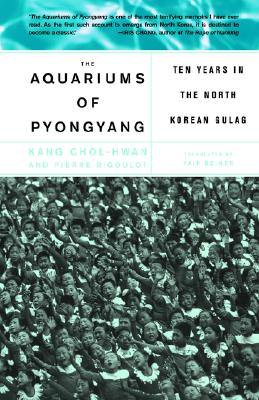 Sent to the Yodok prison camp at age 9 with his whole family. The book that put the camps on the map for many readers.The Aquariums of PyongyangKang Chol-hwan & Pierre Rigoulot · 2000
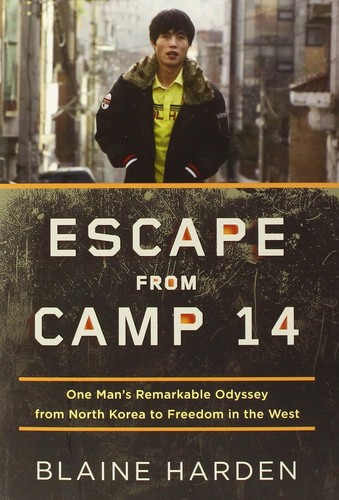 Shin Dong-hyuk’s account of being born inside a political prison camp.Shin later revised parts of his story (2015). The core account matches other testimony.Disputed detailsEscape from Camp 14Blaine Harden · 2012
 Former state distribution supervisor imprisoned in Kyohwaso No. 1 (Kaechon) for six years. One of the earliest testimonies on ordinary penal camps.Some specific torture claims differ from descriptions by later defectors, but general camp conditions match.Disputed detailsEyes of the Tailless AnimalsSoon Ok Lee · 1999
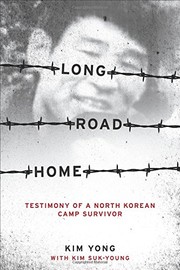 Former lieutenant colonel in the Ministry of Public Security sent to Camp 14 and Camp 18 after his father’s past was discovered; the only known survivor to escape both.Long Road HomeKim Yong & Kim Suk-young · 2009
Quick answers
- How many people are in North Korean prison camps?
- The UN Commission of Inquiry estimated in 2014 that 80,000 to 120,000 people were held in political prison camps (kwanliso). Many more pass through ordinary prisons and detention centers. There is no recent precise count.
- Are North Korean prison camps still operating?
- Yes. Satellite imagery shows several political prison camps still active, including Camp 14 (Kaechon), Camp 16 (Hwasong) and Camp 25 (Chongjin). Some older camps, like Camp 22 (Hoeryong), were closed.
- Why are families sent to North Korean prison camps?
- Under guilt by association, relatives of a person accused of a political crime can also be imprisoned, sometimes across three generations. This makes resistance extremely costly.
Sources

Keep reading
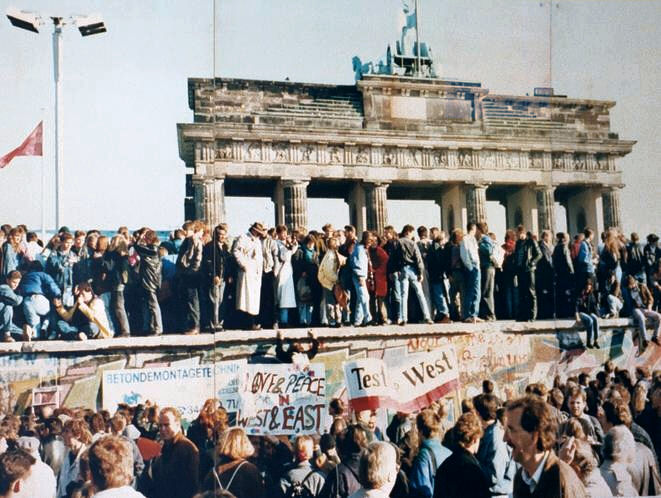 How can North Korea be freed?Five ways the regime could end or open up, how likely each one is, and which ones ordinary people can actually push on.9 min read
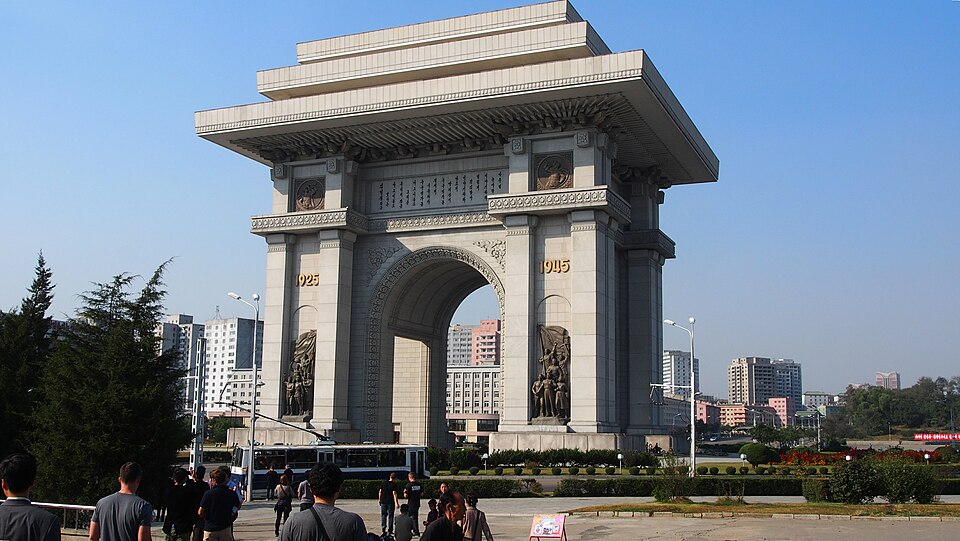 Is it possible to free North Korea?Why the regime has lasted since 1948, the cracks that are already there, and what history says about "permanent" dictatorships.7 min read
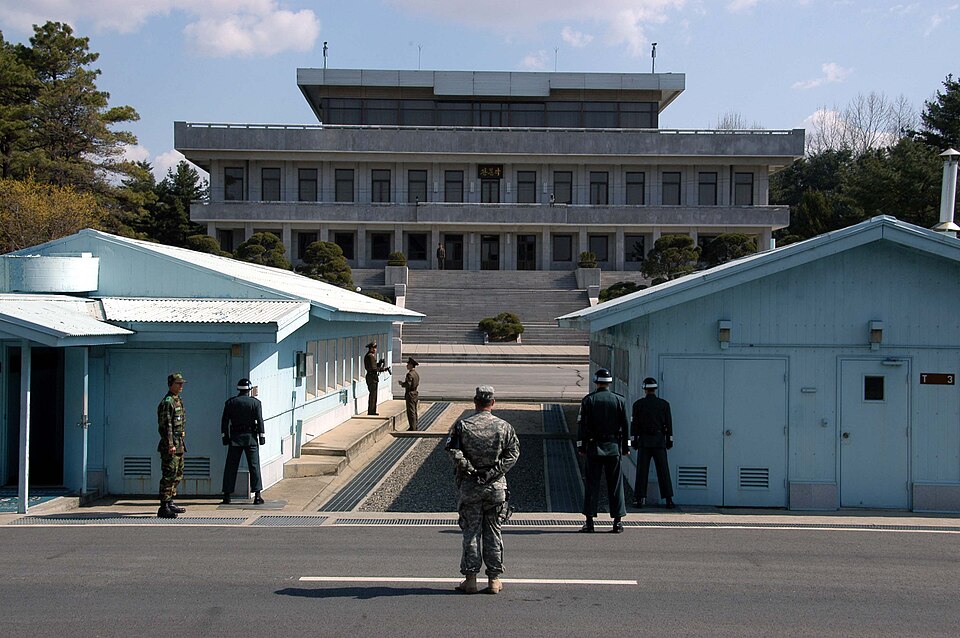 How to help North Korean peopleConcrete things that work, with costs. Rescues, USB drives, tutoring escapees, documentation, and pressure on governments.6 min read