Learn · 6 min read · Updated 1 Oct 2026
How North Koreans escape
In 2025, 224 North Koreans reached South Korea. Before the pandemic it was over 1,000 a year, and in 2009 it was nearly 3,000. The drop isn't because fewer people want to leave. The border and China both got much harder to get through.
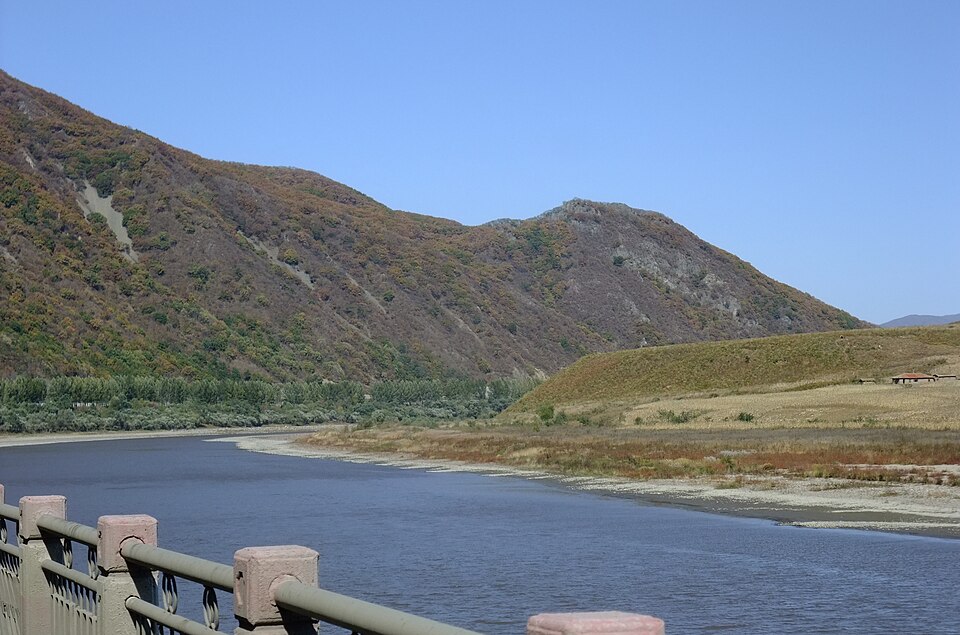
- Cross the riverTumen or Yalu into China, usually with a broker who pays off guards.
- Hide in ChinaNo legal status. Caught means sent back: ~500–600 in one operation in Oct 2023.
- ~3,000 miles southSafe houses, buses and jungle crossings into Laos and Thailand. ~$3,000 per rescue.
- South KoreaQuestioning, then about three months at Hanawon before starting over.
Step 1: crossing the border
Almost everyone leaves through China, across the Tumen or Yalu rivers. The usual crossing points are near border towns like Hyesan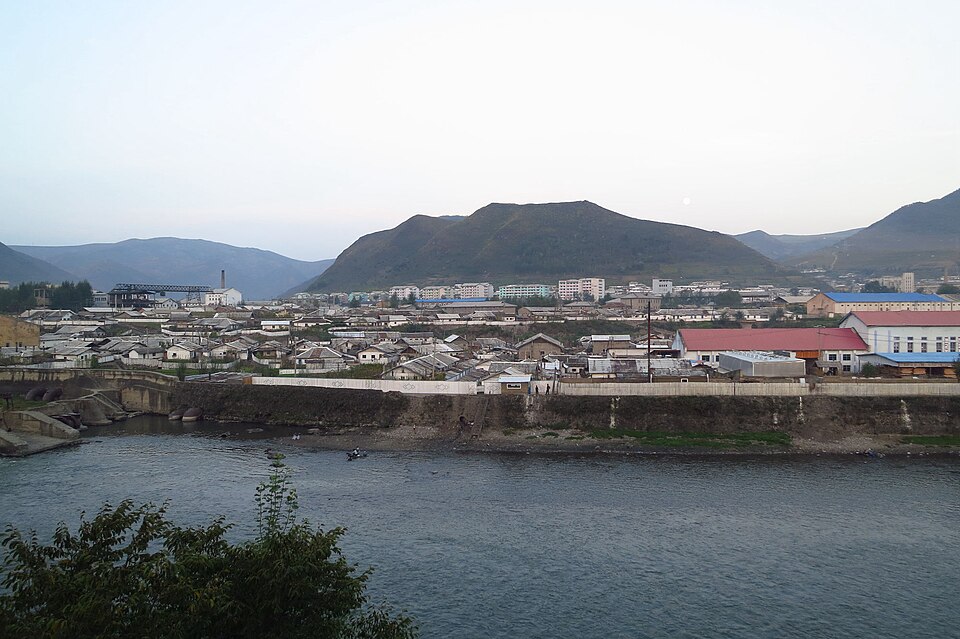 HyesanBorder city on the Yalu, across from China’s Changbai. Historically a major smuggling and crossing point, now heavily fenced., Musan
© Esri, MaxarMusanMining county on the Tumen River, a common crossing area. Several well-known escapees came from here. and Hoeryong
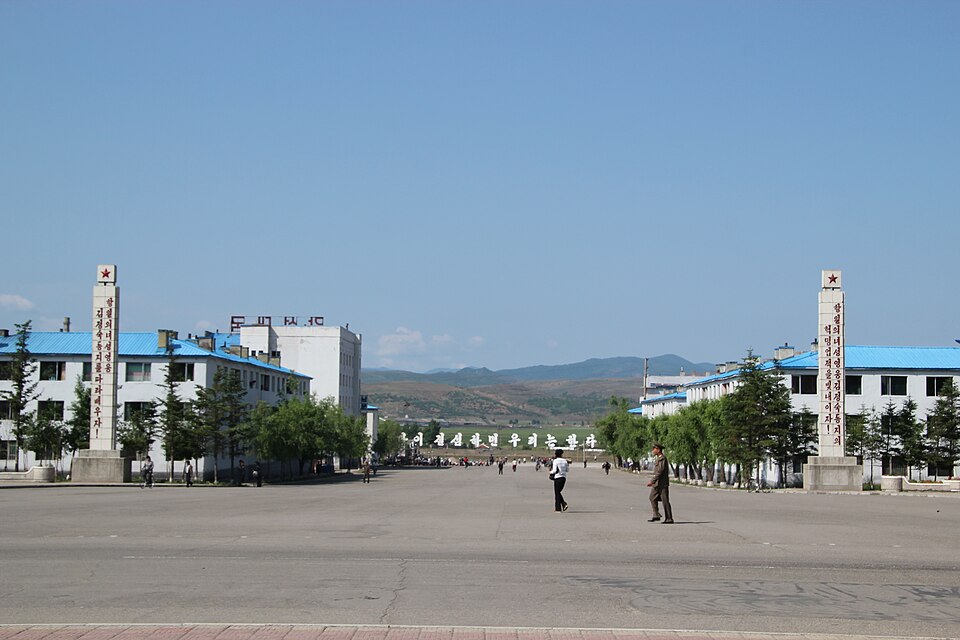 HoeryongBorder city on the Tumen. The river is narrow here, so it was a frequent crossing point before new fences went up after 2020. (you can see them on the intel map). Since 2020 North Korea has built new fences, added guard posts and given border guards shoot-to-kill orders, so crossings now usually need a broker who pays off guards. Prices have gone up many times over.
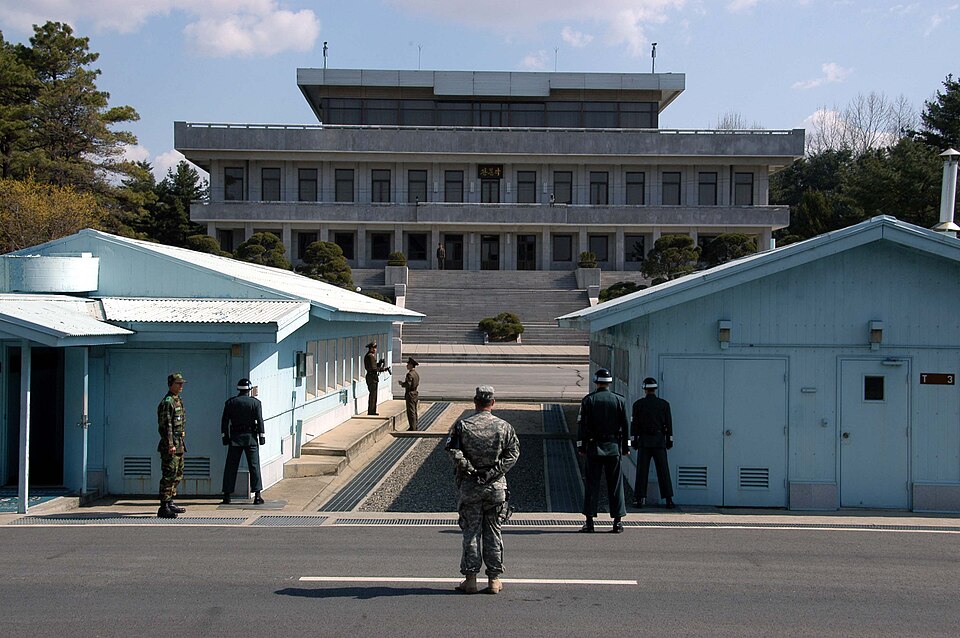
Escaping by sea or directly across the DMZ happens, but rarely. Those cases make the news because they are so unusual.
Step 2: hiding in China
China treats North Koreans as illegal economic migrants, not refugees, and sends them back. Women, who make up most escapees (198 of the 224 in 2025), are often trafficked into forced marriages or the sex trade. Many live in China for years without papers. China's facial recognition, ID checks on buses and trains, and phone tracking now make moving around very hard.
If caught, people are repatriated. In October 2023 China sent back an estimated 500-600 people in one operation. Back in North Korea they're interrogated, and anyone who had contact with South Koreans or Christians can end up in a prison camp.
Step 3: the long route out
The usual route runs about 3,000 miles south through China to Southeast Asia, often into Laos and then Thailand, where escapees can turn themselves in and are eventually sent to South Korea. Mongolia was an alternative route in the past. The trip takes weeks and goes through safe houses, buses and jungle crossings. This is the part that rescue groups like Liberty in North Korea Liberty in North Korea (LiNK)Long Beach, CA and Seoul · since 2004 · ActiveFunds rescues of North Korean refugees from China to safety in Southeast Asia, then supports them as they resettle. Also runs storytelling and campaigns. fund, at about $3,000 per person.
Step 4: South Korea
Escapees are questioned by South Korean intelligence and then spend about three months at Hanawon, a resettlement center, learning how to live in a market society. They get South Korean citizenship and some housing and job support. The adjustment is still very hard: new technology, different vocabulary, discrimination, and family left behind. Groups like Freedom Speakers International Freedom Speakers International (formerly TNKR)Seoul and Arlington, VA · since 2013 · ActiveMatches North Korean escapees with volunteer English tutors and public speaking coaches. Refugees pick their own tutors. 600+ refugees and 1,200+ volunteers so far. and PSCORE
 PSCORESeoul · since 2006 · ActiveFounded by escapees. Runs education programs and one-on-one tutoring for North Koreans in South Korea, plus advocacy. help with English, education and public speaking.
The numbers
- 2002 1,142 people
632 women · 510 men - 2003 1,285 people
811 women · 474 men - 2004 1,898 people
1,272 women · 626 men - 2005 1,384 people
960 women · 424 men’05 - 2006 2,028 people
1,513 women · 515 men - 2007 2,554 people
1,981 women · 573 men - 2008 2,803 people
2,195 women · 608 men - 2009 2,914 people
2,252 women · 662 men - 2010 2,402 people
1,811 women · 591 men’10 - 2011 2,706 people
1,911 women · 795 men - 2012 1,502 people
1,098 women · 404 men - 2013 1,514 people
1,145 women · 369 men - 2014 1,397 people
1,092 women · 305 men - 2015 1,275 people
1,024 women · 251 men’15 - 2016 1,418 people
1,119 women · 299 men - 2017 1,127 people
939 women · 188 men - 2018 1,137 people
969 women · 168 men - 2019 1,047 people
845 women · 202 men - 2020 229 people
157 women · 72 men’20 - 2021 63 people
23 women · 40 men - 2022 67 people
32 women · 35 men - 2023 196 people
164 women · 32 men - 2024 236 people
- 2025 224 people
198 women · 26 men’25
Quick answers
- How many North Koreans escape each year?
- In 2025, 224 North Koreans reached South Korea, according to the Unification Ministry. That is far below the pre-pandemic level of about 1,000 a year and the 2009 peak of 2,914.
- Why does China send North Korean refugees back?
- China classifies North Koreans as illegal economic migrants rather than refugees, under an agreement with North Korea. Human rights groups and the UN say this violates the principle of non-refoulement because returnees face torture and imprisonment.
- What route do North Korean defectors take?
- Most cross a river into China, hide there, and then travel about 3,000 miles south through China into Southeast Asia (often Laos and Thailand), where they can be transferred to South Korea.
Sources

Keep reading
 How can North Korea be freed?Five ways the regime could end or open up, how likely each one is, and which ones ordinary people can actually push on.9 min read
 Is it possible to free North Korea?Why the regime has lasted since 1948, the cracks that are already there, and what history says about "permanent" dictatorships.7 min read
 How to help North Korean peopleConcrete things that work, with costs. Rescues, USB drives, tutoring escapees, documentation, and pressure on governments.6 min read